
Once We Were Sisters - Inspirations Part 2
Last week in my first post about inspirations behind my latest book, Once We Were Sisters, I wrote about the charity, Oeuvre de Secours aux Enfants (the OSE), who sheltered Jewish children during WWII. I also wrote about my trip to Chabannes near Limoges to see one of the chateaux where the OSE housed the children.
Before I travelled to Limoges, I stayed a few days in Paris to visit the quartier where Elise's story is set and where the Goldman family lived in the wealthy 8th arondissement. I wandered around beautiful, elegant, Parc Monceau. which in the book, was dug into trenches for air raid shelters and out of bounds to French people during the Nazi occupation.

The story of the Goldman family in Once We Were Sisters was inspired by reading about the de Camondo family - wealthy Jewish bankers originally from the Ottoman Empire who lived in Rue de Monceau in a palatial mansion. The house is now a museum dedicated to the memory of Nissim de Camondo, a son of the family, who died in aerial combat, fighting for France in the First World War. His sister. Béatrice de Camondo continued to live in Paris during the Nazi occupation, convinced that although she was Jewish, she was above all French. She beleived that the Nazis persecution of the Jews was aimed at those recent immigrants to France who spoke Yiddish and hadn't integrated into French society. In the early days of the occupation, she was known to ride her horse in the Bois de Boulogne each morning complete with a German escort. But sadly, her aristocratic roots and wealth didn't protect her and she was transported to Auschwitz along with her husband and children, none of whom survived.
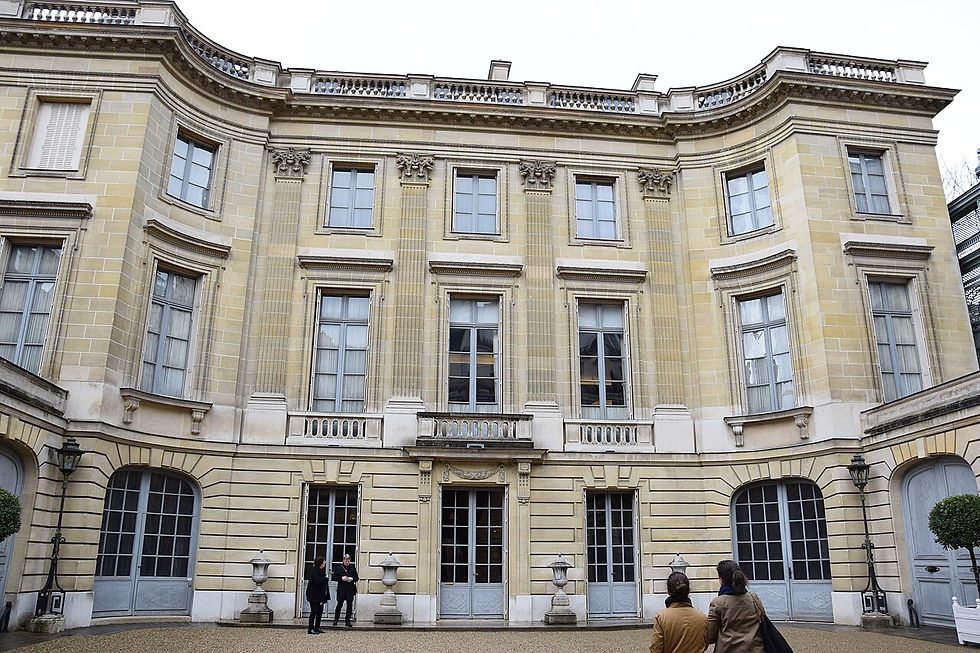
I wandered around the grand streets of the 8th arrondissement, along Rue du Rocher, where Elise lived in affluent but formal surroundings with her Vichy collaborator parents, and along the Rue du Faubourg St Honore where Elise went to work for Jean Laurent at the (fictional) flower shop, Fleur de Lys . In the book the shop is close to the British Embassy, where now there is a haute couture boutique, Roger Vivier, selling exclusive clothes by appointment.

I also visited the Gare St Lazare, an important transport hub during WW2, and the Eglise St Augustin where in the book, German soldiers patrolled.
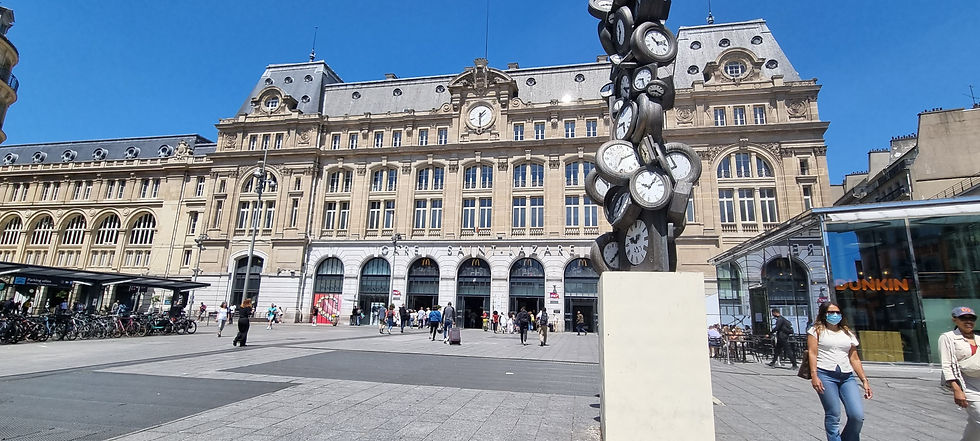
Strolling through those elegant streets today, it is hard to imagine that once swastika banners fluttered from the buildings, parks were blocked off with sandbags and German soldiers kept a watchful eye on the public.
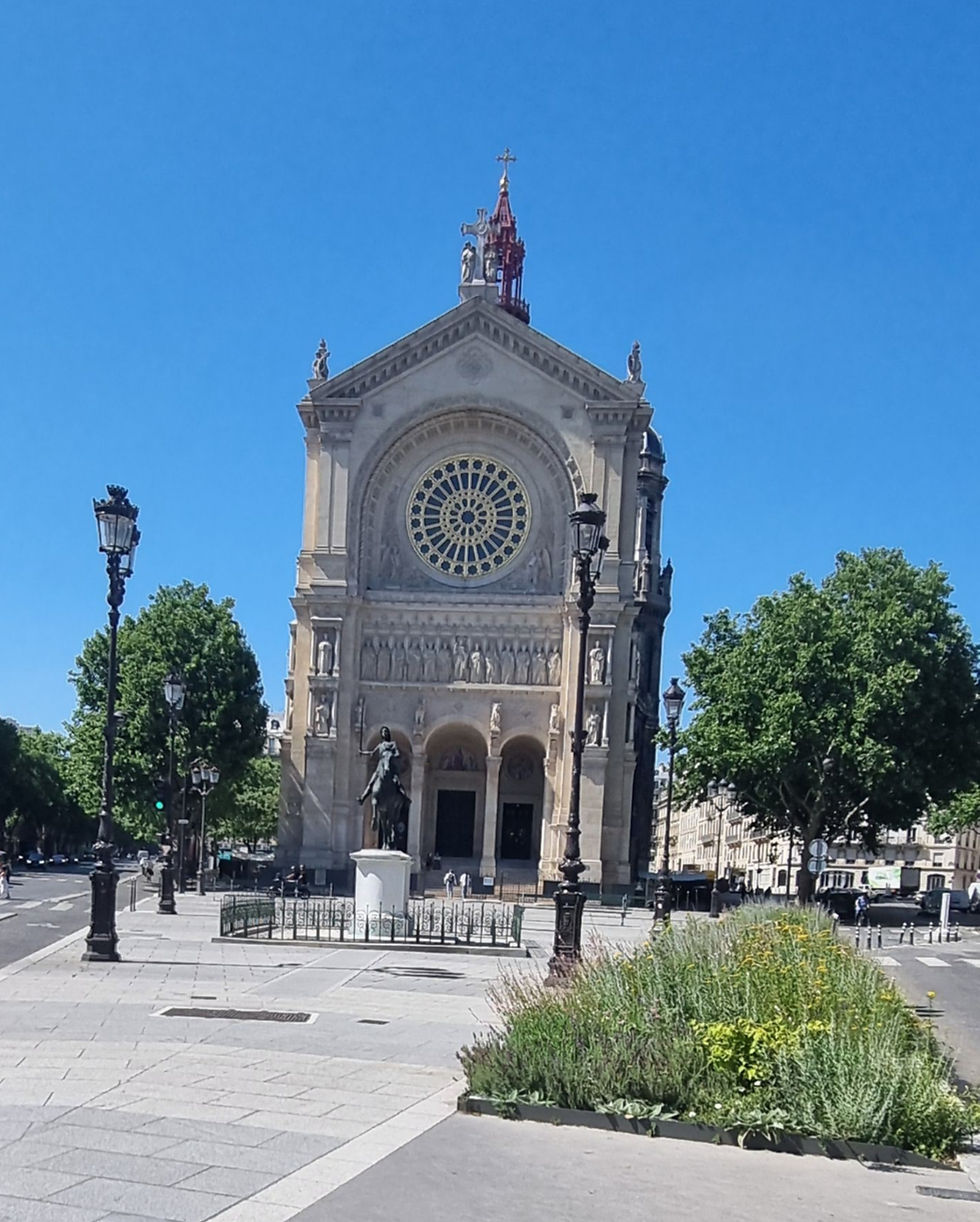
I tried to recreate the oppressive atmosphere of wartime Paris in Once We Were Sisters. The book is available at this link on Kindle, Kindle Unlimited and in paperback. If you read it, I hope you enjoy it!


Comments